
Ever had intercourse and then nervously stared at your calendar, wondering if it somehow delayed your period even though you’re sure you’re not pregnant? You’re not alone. This question has plagued menstruating minds for decades.
The truth is, while penetration itself isn’t some magical period-pausing potion, it can influence your menstrual cycle in surprising ways. From shifts in your hormone levels to subtle changes in your cycle’s timing, science is finally unpacking how intercourse might tweak your body’s schedule and what’s just pure myth.
1. Intercourse Can Subtly Tweak Your Cycle But Not Stop It
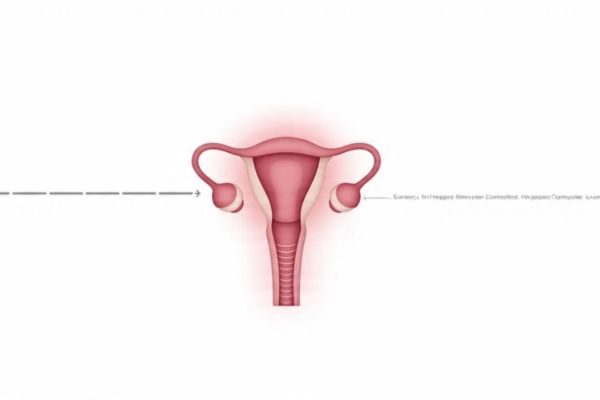
In a large observational study, women who had intercourse during their cycle showed slightly longer luteal phases (the time between ovulation and menstruation), less spotting, and more fertile cervical fluid, all signs of a healthier, more fertile cycle (Najmabadi et al., 2022). While these aren’t dramatic changes, they suggest your body responds to sexual activity hormonally, even without pregnancy.
Pro Tip: Intercourse can shift your cycle slightly, but if your period is weeks late, pregnancy or stress is more likely the cause.
2. Your Brain Gets Weird Mid-Cycle

Your decision-making literally changes when you’re ovulating. According to Vincent et al. (2022), women show increased delay discounting a fancy way of saying they become more impulsive or driven by short-term rewards during their fertile window.
This psychological shift may lead to increased sexual behavior and other spontaneous choices. It’s not that sex delays your period it’s that your cycle can drive your sex life.
Pro Tip: Mid-cycle you may crave intimacy (or chocolate or skydiving) more. It’s your hormones not your personality, temporarily in the driver’s seat.
3. Oral Contraceptives Can Delay Your Period
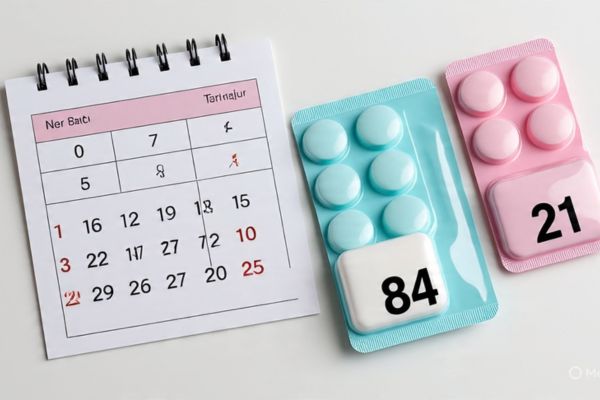
If you’re on extended-cycle birth control pills (like 84 active days followed by 7 placebos), you can strategically delay your period.
Studies (Henzl & Polan, 2004) show these methods are just as effective in preventing pregnancy as traditional 21+7 regimens, and they’re often used to skip periods for convenience or medical reasons.
Just don’t confuse this with unprotected intercourse delaying your period naturally, it’s only these scheduled pills that can do that.
4. Unscheduled Bleeding? It’s a Thing with Extended Dosing
Here’s the catch: if you use extended-cycle pills to skip your period, you may get random spotting. In fact, discontinuation rates are higher for these regimens because of the unpredictability (Henzl & Polan, 2004).
So, yes, you can delay your period, but your body might rebel with some annoying mid-cycle surprises. Still better than a full bleed? That’s your call.
5. So… Is Intercourse to Blame for a Late Period? Probably Not
Unless you’re doing it on birth control that suppresses menstruation, Penetration alone won’t delay your period. But what it can do is influence your hormones in subtle ways.
Combine that with stress, travel, illness, or your body just being a diva this month, and boom — period delay. Also, cycle-tracking apps aren’t perfect. Unless you’re charting temperature and fluid daily, your “due date” could be off.
Conclusion
So, can intercourse delay your period if you’re not pregnant? Technically, no but it’s complicated. Intercourse can influence your hormonal rhythms, extend the luteal phase slightly, and change your cervical fluid.
If you’re on extended-cycle pills, that’s a whole different game (with its own side effects). In short: no need to panic after a steamy weekend unless your cycle is way off track.
References & Citations
- Najmabadi et al. (2022) – Characteristics of menstrual cycles with or without intercourse in women with no known subfertility
- Vincent et al. (2022) – Discounting for Money, Food, and Sex, over the Menstrual Cycle
- Henzl & Polan (2004) – Avoiding menstruation: a review of health and lifestyle issues.

25 Secrets of Better Intimacy
Let's Upgrade your love life
Get It for Free Now.