
Masturbation has been called many things over the years, everything from “nature’s stress relief button” to “the reason your grandma says you need more spinach.”
For centuries, myths have painted masturbation as harmful, draining, or even dangerous, especially for men. But does it actually make you weaker, or is this just another old wives’ tale with no scientific backing?
Recent research sheds light on how masturbation might affect physical and mental health, from anxiety levels to cardiovascular signals.
1. Masturbation and Energy Levels
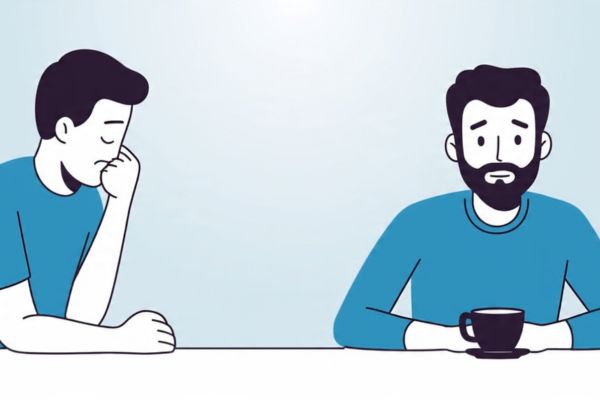
One of the oldest myths around masturbation is that it makes you “weak” or drains your energy. A 2019 study (Jiao et al.) did find that higher masturbation frequency was linked to increased anxiety, fatigue, and reproductive health issues in some men.
But here’s the twist: correlation doesn’t mean causation. People who are already stressed, anxious, or fatigued might masturbate more as a coping mechanism. In other words, it’s not necessarily the act itself making you weaker, it could be life stress showing up in both your energy levels and your habits.
Pro Tip: If you feel drained after masturbation, check your sleep and stress first, not just your solo sessions.
2. Erections as Health Indicators
Another interesting angle is that weaker erections during masturbation may signal something bigger than just bedroom performance. Research suggests that reduced erectile quality, especially in young men without sexual partners, could be an early red flag for cardiovascular risks (Huang et al., 2014; Corona & Maggi, 2013).
Factors like insulin resistance, poor circulation, and endothelial dysfunction are often at play. So if masturbation feels physically “weaker” than usual, it might not be the act at all, it could be your body’s way of hinting at a health issue you should address.
3. Myths, Guilt, and Cultural Beliefs

The belief that masturbation makes you weaker isn’t just medical, it’s cultural. In Pakistan, a study showed that 31.4% of young men believed masturbation caused physical illness, while 62.8% linked it to weakness (Qidwai, 1999).
Similar myths exist worldwide, often tied to guilt or religious teachings. This misinformation can lead to real psychological stress, making men feel weaker because they’ve been told they should. Science doesn’t support these myths, but cultural pressure is powerful, and sometimes the mind can trick the body into believing the worst.
4. The Psychology of Masturbation
Masturbation isn’t just physical, it’s deeply psychological. For some, frequent masturbation becomes a coping tool for loneliness, anxiety, or boredom.
Over time, if paired with guilt, this can increase anxiety and fatigue, reinforcing the idea of feeling “weaker.” The truth? Masturbation itself is usually harmless, but the way you think about it can shape how your body reacts. If you associate it with shame, your mental health might suffer more than your muscles ever will.
5. What the Science Really Says
So, does masturbation actually make you weaker? Based on current research, the answer is no. The act itself doesn’t sap strength, ruin health, or leave you frail. What science shows instead is that masturbation can highlight underlying issues like cardiovascular risks or mental health struggles or reflect cultural stigma.
The problem isn’t the habit; it’s what it may be pointing to in your lifestyle or mindset. If anything, masturbation is neutral: it’s neither a miracle cure nor a health destroyer.
Conclusion
The myth that masturbation makes men weaker has stuck around for centuries, but modern science tells a different story. While some men who masturbate more frequently may report fatigue or anxiety, these outcomes often connect more to lifestyle, health, and cultural stigma than to masturbation itself.
References
- Jiao, C. et al. (2019). Masturbation is associated with psychopathological and reproduction health conditions: an online survey among campus male students
- Huang, Y. et al. (2014). Weaker masturbatory erection may be a sign of early cardiovascular risk associated with erectile dysfunction in young men without sexual intercourse.
- Corona, G., & Maggi, M. (2013). Erectile dysfunction and metabolic health.
- Qidwai, W. (1999). Myths and perceptions of masturbation in Pakistan.

25 Secrets of Better Intimacy
Let's Upgrade your love life
Get It for Free Now.


